2026 How to Choose the Perfect Knitted Beanie for You?
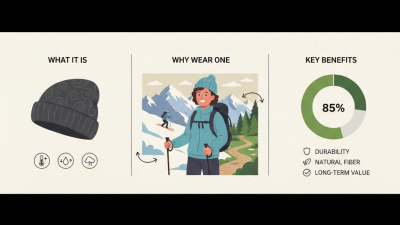
In recent years, the knitted beanie has become a staple accessory for both fashion and functionality. A report from the Fashion Institute of Technology highlighted that the global hat market, which includes knitted beanies, is projected to grow by 6% annually. This growth underscores the rising popularity of knitted beanies among diverse age groups and demographics. The right beanie can enhance your style while keeping you warm during colder months.
When selecting the perfect knitted beanie, style, fit, and material are crucial factors. Different shapes and sizes can impact comfort and appearance. For instance, oversized knitted beanies have gained traction, with surveys showing that nearly 40% of consumers prefer a slouchy fit. Likewise, the material matters; options vary from wool to acrylic, each offering unique benefits.
However, choosing the right knitted beanie isn't always straightforward. Some may find that their preferences evolve over time, or they may regret a hasty purchase. It's essential to take time to consider personal style and intended usage. A thoughtful approach can lead to a beanie that truly reflects your individuality while serving its practical purpose.

Understanding the Different Types of Knitted Beanies
When selecting the perfect knitted beanie, understanding the types is crucial. There are various styles available. Each type caters to different preferences and environments. According to a market report by Grand View Research, the global knitted hat market is projected to grow significantly. This indicates an increasing interest in diverse beanie styles.
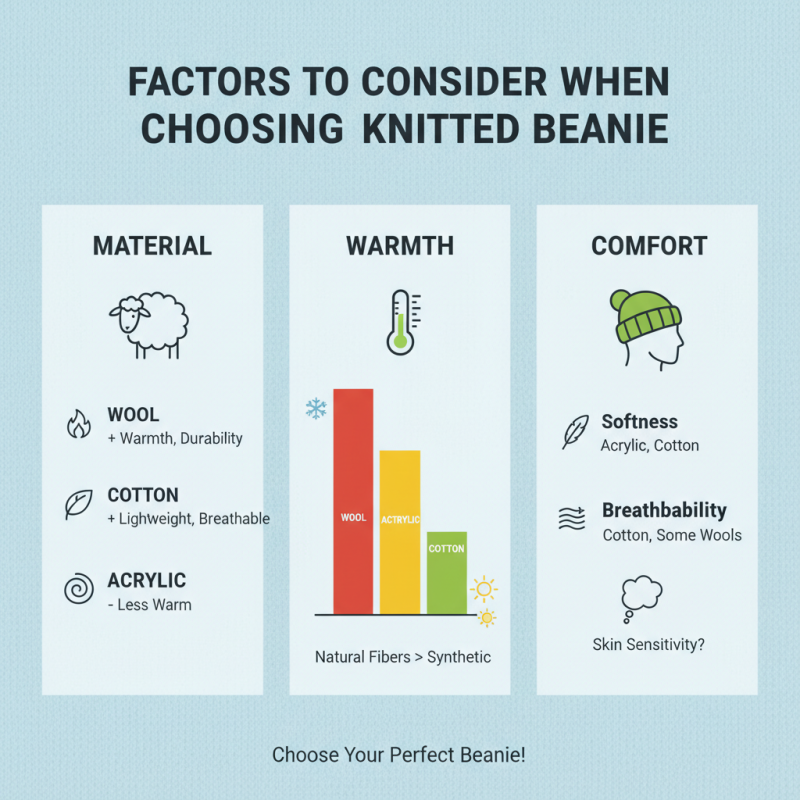
Beanies come in different materials, like wool, acrylic, and cotton. Wool provides warmth and durability, while acrylic is lighter and often more affordable. Cotton beanies are breathable and ideal for warmer weather. Explore the material that suits your lifestyle. The right choice can enhance comfort and functionality.
Tips for choosing: consider your climate. If you live in a colder area, opt for thicker, insulated beanies. For casual outings in mild weather, a lighter option is preferable. Check the fit. A snug but comfortable fit ensures it stays in place. Lastly, think about your style. Solid colors may offer versatility, while patterns can add a unique touch. Remember, the beanie is a reflection of your personality.
Types of Knitted Beanies and Their Popularity
Factors to Consider When Choosing a Knitted Beanie
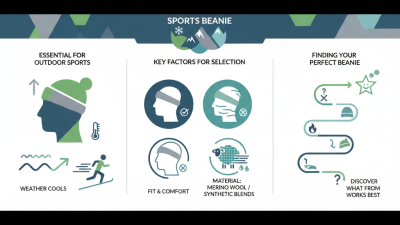
When choosing a knitted beanie, consider several key factors. The material is crucial. Wool offers warmth and durability, whereas cotton is lightweight and breathable. Each fabric has its pros and cons. You might prefer the softness of acrylic, but it may not keep you as warm as natural fibers.
Fit is another important aspect. A snug fit keeps your beanie securely in place. However, if it’s too tight, it could cause discomfort. Try different sizes to find your ideal choice. Color and style should match your wardrobe and personality. A neutral color can complement most outfits, while a bold hue can make a statement.
Don’t forget about purpose. Will you wear it for outdoor activities or casual outings? This can influence the style and thickness you choose. Reflect on your lifestyle and how the beanie will fit into it. Sometimes you might regret a choice that seemed perfect at first. So, take your time to find a beanie that truly resonates with you.
How to Select the Right Size and Fit for Your Head
Finding the right size and fit for your knitted beanie can be a bit tricky. Many people underestimate this aspect. A beanie that is too loose may fall off or look sloppy. On the other hand, a beanie that is too tight can cause discomfort. You want to strike a balance.
To determine your size, measure your head circumference. Use a flexible tape measure around the widest part of your head, just above your ears. If you don't have a tape, you can use a piece of string and measure it against a ruler. Most knitted beanies are stretchy, but knowing your size helps.
Different styles may fit differently. Slouchy beanies are roomier, while fitted styles hug closer to your head. Consider what you will wear underneath. Sometimes you might need to account for hair or ear protection. If you're uncertain, trying on different styles is beneficial. Reflecting on what feels comfortable will lead to a better choice.
2026 How to Choose the Perfect Knitted Beanie for You? - How to Select the Right Size and Fit for Your Head
| Size |
Head Circumference (cm) |
Fit Type |
Beanie Style |
Recommended Age Group |
| Small |
53-55 |
Snug Fit |
Classic |
Children |
| Medium |
56-58 |
Comfort Fit |
Slouchy |
Adults |
| Large |
59-61 |
Loose Fit |
Beanie with Cuff |
Adults |
| Extra Large |
62-64 |
Oversized Fit |
Fisherman Beanie |
Adults |
Choosing the Right Material for Comfort and Warmth
When selecting a knitted beanie, comfort and warmth heavily depend on the material. Different fibers provide varying degrees of insulation and softness. Wool is a popular choice due to its natural insulating properties. It keeps you warm in winter and breathes well during milder days. Cashmere offers luxurious softness, but it can be pricier. For those seeking an everyday option, acrylic blends provide a budget-friendly, lightweight alternative.
Tips for comfort: Look for a beanie that fits snugly without feeling too tight. The lining also matters; an itchy beanie can ruin your experience. You might want to touch the fabric before buying. Materials that feel soft against the skin will enhance your comfort. Don’t underestimate the performance of synthetic fibers. They often wick moisture and can be surprisingly warm.
Most importantly, consider your lifestyle. If you spend long hours outdoors, opt for materials that provide good thermal regulation. Reflect on how often you'll wear it and in what conditions to select wisely. The right choice can offer a perfect blend of style and function, yet it might require some trial and error.
Popular Style Trends in Knitted Beanies for 2026
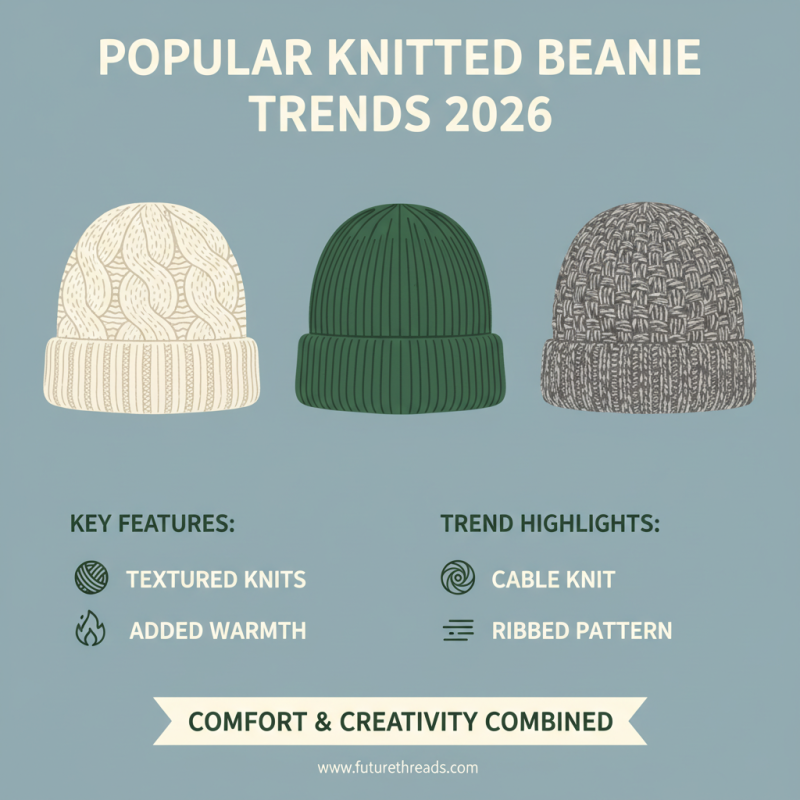
As we approach 2026, the knitted beanie landscape is evolving. Popular styles reflect both comfort and creativity. Textured knits, such as cable or ribbed patterns, are gaining traction. These designs not only add dimension but also provide warmth. People appreciate the layered look these textures create.
Color trends are shifting too. Earthy tones dominate, with shades of rust, olive, and mustard leading the way. These colors resonate with nature and create a cozy vibe. Bright colors are always in style but choosing subtle hues might make a bold yet understated statement. Consider how the color complements your wardrobe and personal style.
Lastly, unique embellishments are becoming more common. Patches, pins, and even custom embroidery let wearers express individuality. While some prefer minimalist designs, others enjoy a more eclectic approach. It’s important to choose a beanie that reflects your personality. This journey of self-expression through fashion can sometimes feel overwhelming. Finding that perfect balance is essential.