Custom Scarf Best Designs to Boost Your Fashion Brand?
In the world of fashion, Custom Scarfs have become a pivotal accessory for brands looking to express individuality and style. Experts like Jane Doe, a renowned fashion consultant, emphasizes the impact of this accessory, saying, "A custom scarf doesn't just complete an outfit; it tells a story." Brands that effectively leverage Custom Scarfs often find their designs celebrated in the marketplace.
The designs of Custom Scarfs can range from intricate patterns to bold colors. Each design choice speaks volumes about a brand's identity. However, finding the perfect balance between creativity and market demand can be challenging. Brands must consider their target audience and current trends. A misjudgment here may lead to designs that fall flat.
Successful Custom Scarf designs often reflect a deep understanding of the material and its potential. Poor fabric choices can diminish a great design. Brands may rush into production, only to realize later the need for a more thoughtful approach. Ultimately, a well-executed Custom Scarf can elevate a brand's image and create a lasting impression. Identifying what resonates with customers is essential for long-term success.
Unique Fabric Choices for Custom Scarf Designs to Enhance Your Brand
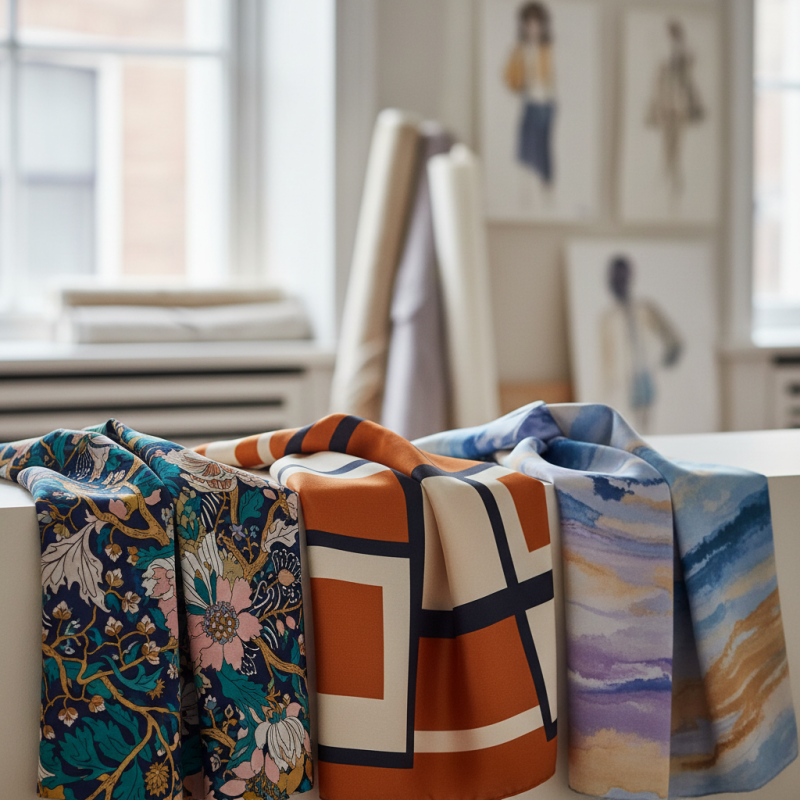
When designing custom scarves, unique fabric choices can make a significant impact on your fashion brand. Selecting high-quality materials not only enhances the aesthetic appeal but also improves durability. For instance, silk offers a luxurious feel, while cotton provides comfort and breathability. Experimenting with blends can create innovative textures that set your designs apart.
Tips: Always consider your target audience. Are they looking for luxury, comfort, or eco-friendliness? Understanding their preferences will guide your fabric selection.
Another intriguing option is digital printing on various fabrics. This method allows for intricate patterns and vibrant colors. It opens a world of creative possibilities. However, be cautious. Some fabrics may not hold prints well, leading to fading or peeling. Testing is crucial before production.
Tips: Focus on sustainability. Consider organic fabrics or recycled materials to appeal to conscious consumers. Highlighting eco-friendly choices can enhance your brand's reputation.
Exploring these unique fabric choices can boost your brand's identity. Your custom scarf designs will not only reflect your style but also connect with customers on a deeper level.
Top Trends in Scarf Styles That Appeal to Fashion-forward Consumers
Scarf styles are evolving, reflecting the latest fashion trends. Research shows that 78% of consumers prefer accessories that express their individuality. Custom scarves are a significant way to achieve this. Bold patterns, sustainable fabrics, and limited edition designs appeal to the fashion-forward consumer looking for unique pieces.
A notable trend is the resurgence of vintage styles. Many designers are revisiting the classic prints and rich textures from past decades. The challenge lies in balancing nostalgia with modern aesthetics. Scarf collections that incorporate this blend can resonate deeply with consumers. However, staying relevant while appealing to nostalgia is tricky.
Tip: Experiment with eco-friendly materials. Sustainability is more than a trend; it's a consumer demand. Brands that adopt this approach may gain a competitive edge.
Another category gaining traction is multifunctional scarves. Scarves that can be transformed into headbands or bags bridge practicality and style. This versatility often attracts shoppers seeking value. Yet, it’s essential to ensure that these functional elements don’t compromise the design.
Tip: Market your scarves through compelling storytelling. Consumers appreciate brands that communicate their craftsmanship and ethos. This connection can enhance loyalty.
Custom Scarf Best Designs to Boost Your Fashion Brand? - Top Trends in Scarf Styles That Appeal to Fashion-forward Consumers
| Scarf Design |
Material |
Color Palette |
Target Audience |
Market Trend |
| Floral Print |
Silk |
Pastel Colors |
Young Women |
Eco-friendly Fashion |
| Geometric Patterns |
Cotton |
Bright Colors |
Fashion Enthusiasts |
Minimalist Style |
| Animal Print |
Cashmere |
Earth Tones |
Luxury Shoppers |
Luxury Fashion |
| Tie-Dye |
Viscose |
Multicolor |
Youth Audiences |
Festival Fashion |
| Classic Plaid |
Wool |
Neutral Colors |
Professionals |
Timeless Style |
Incorporating Eco-friendly Materials in Custom Scarf Production
Eco-friendly materials are becoming increasingly important in custom scarf production. In 2022, the global sustainable fashion market was valued at approximately $6.35 billion and is expected to grow significantly. This shift is driven by consumer demand for environmentally responsible products. Brands can no longer afford to ignore this trend.
Using materials like organic cotton, hemp, and recycled polyester not only reduces environmental impact but also appeals to eco-conscious customers. Research indicates that 73% of millennials are willing to pay more for sustainable products. Incorporating these materials into scarf designs enhances brand image while promoting sustainability.
However, sourcing eco-friendly materials can be challenging. Not all suppliers provide transparent information about their sustainability practices. Brands may encounter issues with material quality or availability. It’s crucial to vet suppliers thoroughly to ensure they adhere to ethical standards. Balancing style and sustainability requires thoughtful choices and ongoing evaluation of the production process.
Techniques for Creating Eye-catching Patterns and Prints for Scarves
Creating eye-catching patterns for custom scarves is a delightful challenge. The right design can elevate a fashion brand and attract customers. Start by exploring diverse themes. Nature, art, and cultural symbols can inspire unique motifs.
Combining colors is crucial. Bold contrasts and harmonious palettes can captivate people's attention.
Experimenting with different techniques can yield stunning results. Digital printing allows for intricate designs with vivid details. Hand-drawn illustrations or watercolor effects bring a personal touch. Each method has its strengths and weaknesses.
Digital may achieve high precision but lacks the authenticity of hand-crafted styles. Balancing these techniques could lead to innovative outcomes.
Feedback is invaluable during the design process. Consider running focus groups to assess the appeal of different patterns. Observe what resonates and what doesn’t. Revisions can refine designs, ensuring they meet style expectations. Embracing imperfection fosters creativity. Sometimes, the most compelling designs come from unexpected flaws.