10 Essential Tips for Choosing the Perfect Knitted Beanie for Every Occasion?
Choosing the perfect knitted beanie involves more than just style. It reflects personal tastes and practical needs. The global knitted beanie market has seen a steady growth, projected to reach $600 million by 2025, according to Industry Research Group. Consumers increasingly seek warmth and comfort, making the right choice essential for every occasion.
Expert in textile design, Dr. Emily Parker, emphasizes, "A well-chosen knitted beanie can elevate an outfit while providing necessary warmth." This highlights the dual role of a beanie—it can serve as both a functional accessory and a fashion statement. However, many still struggle with selection. Factors like material, fit, and style can overwhelm even the savviest shoppers.
Additionally, while trends shift quickly, classic designs often endure. Reflecting on personal experience, it's clear that a knitted beanie can miss the mark if not tailored to the wearer’s preferences. As consumers navigate this dynamic market, understanding the balance between trend and comfort is crucial.

Understanding Different Knitted Beanie Materials and Their Benefits
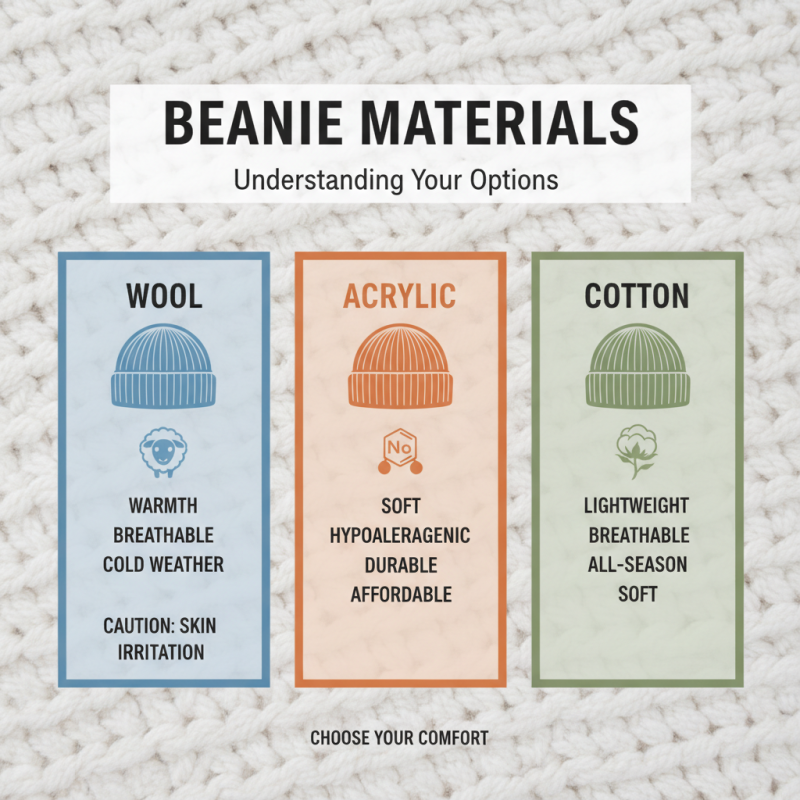
When selecting the perfect knitted beanie, understanding the materials is crucial. Common yarns include wool, acrylic, and cotton. Wool is renowned for warmth and breathability. It's ideal for cold weather but can irritate sensitive skin. Be mindful of this factor when choosing wool.
Acrylic is a synthetic option often used in beanies. It's lightweight, affordable, and comes in various colors and styles. However, it lacks the natural warmth of wool. Still, it's a great choice for everyday wear and easy care. Many prefer cotton beanies for warmer months. Cotton is breathable and keeps the head cool, but it may not provide enough warmth in winter.
It's useful to remember that each material has its benefits and downsides. Think about your primary use. Will you be outside in freezing conditions, or attending a casual gathering? Beanies vary significantly in texture and fit, influenced by their material. Try them on when possible, as this can greatly affect comfort and style.
Considering the Climate: Choosing Beanies for Warmth and Breathability
When choosing a knitted beanie, climate plays a crucial role. In cold weather, you want a beanie that offers warmth without overheating. According to the Textile Institute, wool remains one of the best materials for thermal insulation, retaining warmth even when wet. However, for milder climates or transitional seasons, look for blends that incorporate breathable fibers, such as cotton or acrylic. These materials enhance airflow, keeping your head comfortable.
Tip 1: Consider the beanie’s thickness. A thicker knit provides more warmth but may be stifling in moderate temperatures. Opt for lightweight options to balance comfort and style.
Breathability matters too. A beanie that is too tight can trap heat, leading to discomfort. Research indicates that around 70% of users prefer beanies that fit snugly yet allow airflow. Keep this in mind when selecting your perfect beanie.
Tip 2: Check for ventilation features. Some designs include mesh panels or lighter weaves that promote breathability. These small details can significantly impact how you feel while wearing the beanie.
In every situation, consider your activity level. If you're going to be active outdoors, choose breathable materials. They prevent sweat build-up, which can lead to cooling and discomfort. A well-chosen beanie will keep you cozy and stylish, no matter the occasion.
Selecting the Right Style: From Cuffed to Slouchy Beanies
When selecting a knitted beanie, the style is crucial. Cuffed beanies offer a snug fit and warmth. They typically sit lower on the head and provide coverage over the ears. This style is excellent for outdoor activities. If you're engaging in sports or simply enjoying a chilly walk, a cuffed beanie is practical and stylish.
On the other hand, slouchy beanies offer a more relaxed look. They have extra fabric that hangs loosely over the back of the head. This style is great for a casual outing or a cozy day at home. Slouchy beanies allow for versatility. You can pair them with various outfits, from jeans to dresses. However, finding the right balance can be tricky. The extra fabric may overwhelm smaller frames.
Consider your personal style and the occasion. Choosing the right beanie can transform your look. Think about the colors and patterns that resonate with you. Each choice reflects your personality. By paying attention to these details, you can select the perfect knitted beanie for any situation.
Matching Beanies with Outfits: Color Theory and Fashion Trends
When it comes to styling beanies, understanding color theory can enhance any outfit. A neutral beanie complements most wardrobes, while bold colors can make a statement. For instance, a vibrant red beanie paired with muted tones like grey or navy can add an eye-catching focal point. Experiment with combinations to see what resonates with your personal style.
One essential tip is to consider the occasion. For outdoor activities, opt for a thicker material that provides warmth. A slouchy style works well for casual gatherings. Match your beanie to your outfit's color palette. For a chic look, coordinate it with a scarf or gloves in similar shades.
Fashion trends also shift, so keep an eye out for seasonal colors. Earthy tones are popular in fall, while lighter pastels emerge in spring. Don’t hesitate to mix textures, like pairing a knitted beanie with a denim jacket. Ultimately, it’s about finding what feels right for you, even if it requires some trial and error.
Beanie Color Popularity in 2023
Size and Fit: Ensuring Comfort and Functionality in Beanie Selection
Choosing the right knitted beanie goes beyond just style. The size and fit are crucial for comfort. A beanie that’s too tight can lead to headaches and discomfort. Conversely, a loose hat may slip off, leaving you cold and frustrated. Measure your head circumference to find a fitting size. This small step can make a world of difference.
Consider the beanie's fabric as well. Wool provides warmth but can be itchy if it doesn't fit properly. Acrylic blends offer softness but may not retain warmth as effectively. Try various materials to see what feels best for you. Remember that comfort should never be sacrificed for style. It’s common to be drawn to trendy designs, but if it doesn’t fit well, it’s not worth it.
The beanie is functional. Think about your activities when selecting a beanie. If you plan to wear it during exercise, opt for a snugger fit. For casual outings, a relaxed fit may work well. Reflect on your daily needs and activities to ensure your choice meets them. It might take a few tries to get it right, but a perfect fit will enhance your overall experience.