What is a Sports Beanie and How to Choose the Right One?
When it comes to outdoor sports, a Sports Beanie can be essential. According to John Smith, an expert in sports gear, “The right beanie enhances performance and comfort.” As the weather cools, choosing the right Sports Beanie is more than a fashion statement. It can significantly affect your experience during activities like running or skiing.
A Sports Beanie must fit well and provide warmth without being too tight. Many athletes must deal with discomfort from poorly fitting headwear. The fabric can also make a difference. Materials such as merino wool or synthetic blends offer both insulation and moisture-wicking properties. Paying attention to these details can transform your sports experience.
However, not all beanies fit every situation. Some may find their beanie too hot during intense workouts. Others might struggle with beanies that don’t stay in place. Thus, trial and error is often a part of the journey in finding the perfect Sports Beanie. It’s a process of discovering what works best for you, and sometimes it involves learning from mistakes along the way.

What is a Sports Beanie? Definition and Common Uses
A sports beanie is a versatile headwear item designed for warmth and comfort during outdoor activities. Typically made from moisture-wicking fabrics, these beanies are essentials for athletes and casual wearers alike. They are commonly used in sports like running, cycling, and skiing. A well-designed beanie can significantly improve performance by keeping you warm without overheating.
According to a report by the Outdoor Industry Association, over 55% of outdoor participants choose headwear for temperature regulation. Choosing the right sports beanie can enhance your experience and even change your game. Look for options that offer breathability, stretch, and secure fit. A snug fit prevents the beanie from slipping during movements.
**Tip:** Consider your primary activity when selecting a beanie. For instance, runners might benefit from lightweight, reflective options. Think about the color too. Bright colors increase visibility in low-light conditions. However, not every beanie caters to all activities; it’s worth testing a few styles to find your ideal match. Sometimes, even minor adjustments in fit can make a big difference in your comfort level.
Key Materials and Fabrics Used in Sports Beanies
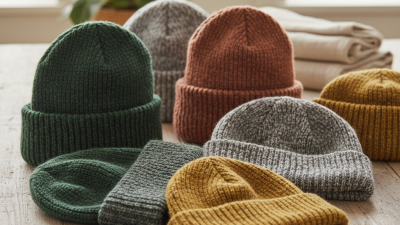
When choosing a sports beanie, understanding materials is crucial. The right fabric affects comfort and performance. Common options include wool, acrylic, and polyester.
Wool is warm and breathable. It handles moisture well, making it great for winter activities. However, some may find it itchy.
Acrylic is softer and often more affordable. It dries quickly but may not provide the same warmth as wool.
Polyester blends are popular too. They are lightweight and durable, making them suitable for intense workouts. Many beanies now feature moisture-wicking properties. This keeps sweat away from your skin. Pay attention to the fabric weight. Heavier materials can be too hot on mild days. Lighter fabrics might not offer enough warmth during winter sports.
Consider your activity level and the climate. A thicker beanie might be too much for a brisk jog. A thinner option could leave you chilly on the slopes. Balancing warmth and weight is key. Everyone’s preferences differ, so it’s okay to test a few options. In the end, what works for one person may not work for another.
Benefits of Wearing a Sports Beanie During Outdoor Activities
A sports beanie can make a significant difference during outdoor activities. It provides warmth and comfort in chilly weather. The snug fit keeps ears protected from biting winds. A well-fitted beanie stays in place, allowing you to focus on your game. It also wicks moisture away, preventing sweat from becoming a distraction.
Wearing a sports beanie can enhance your performance. It maintains body heat while regulating temperature. This is essential during exercise or sports. You will feel less fatigued, as heat is kept in check. A beanie also offers a level of protection from UV rays. This is often overlooked in cold weather.
People sometimes forget the importance of choosing the right material. A beanie made of lightweight, breathable fabric is ideal. However, some may not realize how different fabrics feel on their skin. Testing a beanie’s texture before buying can prevent discomfort later on. Reflecting on these details can lead to overall better outdoor experiences.
How to Choose the Right Size and Fit for Your Sports Beanie
Choosing the right size and fit for your sports beanie is crucial for comfort and performance. A beanie that’s too tight can create discomfort. It may even cause headaches during your workout. On the other hand, a beanie that is too loose might slide down over your eyes. This could hinder your vision.
To find the best fit, measure your head circumference just above your ears. Use a flexible measuring tape for accuracy. Compare this measurement to the size chart provided by the manufacturer. Remember, not all beanies are created equal. Some styles have a snug fit, while others are more relaxed. Trying on different styles is key.
Consider the material as well. A beanie made with wool might fit differently than one made from synthetic fibers. Test the fabric for stretch and recovery. It should conform to your head without losing shape. Reflect on how the beanie feels when you move. Is it comfortable? If it feels off, it’s worth trying a different size. Find what works best for you.
Sports Beanie Size Preferences
This chart displays the preferences of sports beanie sizes among users. The data indicates that most users prefer a medium size, followed by large, small, and X-large options. Understanding these preferences can help individuals choose the right size for comfort and functionality.